
Inspecting your gutters after a professional Gutters installation helps ensure your home is properly protected from water damage. Even when experienced contractors complete the job, homeowners benefit from knowing what to look for. A careful walkthrough confirms the system was installed correctly, performs as expected, and matches the quality promised. This step is especially important in rainy regions, where gutters play a constant role in preserving siding, roofs, and foundations.
Key Steps to Review Gutter Work Effectively
Check Alignment and Slope
Start by observing the gutter lines from the ground. They should appear straight with a subtle slope toward downspouts. Poor alignment can cause standing water, which leads to overflow or premature wear. After Gutters installation, gentle water flow is essential. If you notice dips or uneven sections, it may indicate improper fastening or spacing that should be corrected before long-term issues develop.
Inspect Fasteners and Attachment Points
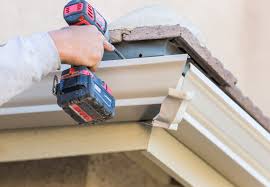
Secure attachment protects gutters during storms and prevents sagging over time. Look closely at brackets, hangers, or screws to ensure they are evenly spaced and firmly anchored. Quality workmanship focuses on strength without damaging fascia boards. A solid Gutters installation will feel stable when lightly pressed, showing that the system can handle heavy rainfall and debris without pulling away from the home.
Examine Seams and Joints
If your system is not seamless, joints deserve extra attention. Seams should be tightly sealed with no visible gaps or drips. Even small leaks can cause water damage behind siding. During your inspection, check corners and end caps carefully. Reliable installers emphasize clean connections, ensuring the gutter system remains watertight and durable through seasonal temperature changes.
Review Downspouts and Drainage Direction
Downspouts are just as important as the gutters themselves. Confirm that they are securely attached and direct water well away from the foundation. Extensions or splash blocks should guide runoff safely into designated drainage areas. A well-planned Gutters installation always considers how water exits the system, reducing erosion, basement moisture, and long-term structural risks.
Look for Material Consistency and Finish
Visual quality often reflects installation standards. Gutters should match in color, finish, and material without dents or scratches. Consistent appearance shows attention to detail. Many homeowners working with trusted regional providers appreciate clean aesthetics combined with function. Contractors serving the Portland and Seattle metro areas often highlight craftsmanship that blends durability with curb appeal, reinforcing overall home value.
Ask About Maintenance and Warranty
After installation, request documentation covering warranties and recommended maintenance. Knowing how often to clean or inspect gutters helps extend their lifespan. Professional teams prioritize clear communication and stress-free experiences, guiding homeowners beyond installation day. For helpful resources and service details, a short visit to homze.com can provide insight into ongoing care expectations and support options.
Final Walkthrough and Peace of Mind
A final walkthrough ensures everything meets expectations before signing off. Understanding basic drainage principles helps homeowners spot potential concerns early. When inspections confirm proper slope, secure attachments, and effective water flow, you can feel confident your Gutters installation will perform reliably, protecting your home through years of changing weather and heavy seasonal rain.
