
Printed Circuit Boards More Expensive
Printed circuit boards are an essential component of modern electronic devices. They are used to electrically connect and mechanically support components in a device, making it possible for the device to function as intended. These components can include everything from resistors and capacitors to microchips and connectors. Because of this, a PCB can be expensive to produce. However, the cost of a PCB can vary depending on several technical and logistical factors.
The first factor in determining a pcb assembly board cost is the price of individual electronic components. This includes the cost of the components themselves as well as their packaging and shipping costs. The cost of these individual components can be obtained from a supplier or distributor and added together to estimate the total component costs for the PCB assembly. In addition, the type of circuit board must also be taken into account. For example, a flexible circuit board will require different packaging and shipping costs than a rigid PCB.
Another important factor in determining a PCB assembly costs is the complexity of the design. This is determined by the number and arrangement of components and circuits on the board, as well as how tightly they are packed together. A more complex design will typically require a higher level of precision in the placement of parts, which can lead to increased labor costs.
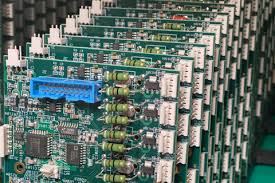
Are Printed Circuit Boards More Expensive?
In addition, the thickness of the copper layers on a PCB can affect its current-carrying capacity and heat dissipation. Thicker copper layers can be more expensive than thinner ones, but the additional thickness can help improve the functionality of a circuit board.
Finally, the assembly process itself is also a significant factor in determining a PCB assembly price. The assembly process involves using high-precision equipment to place and solder the components on the circuit board. This can include pick and place machines, reflow ovens, and other tools that will increase the overall assembly cost. Additionally, it is important to consider the amount of testing and inspection that will be required for the final product.
Once all of these components are accounted for, the final assembly cost can be estimated by dividing the total assembly cost by the number of assembled units. This will give you a good idea of how much each unit will cost to produce. Generally, higher volume production results in lower assembly costs due to economies of scale. Simulates the operating conditions of the PCB to ensure it performs as intended in its final application.
There are many other factors that can influence the cost of a PCB assembly, but these are some of the most important. By understanding these factors and incorporating them into your budget, you can ensure that the final PCB assembly will be of the highest quality while remaining within your budget. By taking the time to carefully plan your project, you can save money on costly mistakes and avoid overspending. By following these tips, you can create a high-quality PCB that will serve your customers and business needs for years to come.
