
Flexible PCBs Be Multilayered
The answer to this question is yes. In fact, many PCBs used in mobile devices are multilayered. These include the motherboards in smartphones, tablets, laptops, and other devices. Multilayer flex circuits offer the versatility and flexibility needed to support multiple functions and high component density in a small footprint. In order to make a multilayer flexible pcb, the stack-up design and copper film layer structure must be carefully optimized. This is especially true when it comes to creating a robust flexible circuit board that can withstand the constant movement, vibration, and thermal stresses of everyday use.
Choosing the right multi-layer flex PCB manufacturer is an important step in ensuring that your project’s manufacturing goals are met. Evaluate the manufacturer’s experience and expertise with flexible pcbs, as well as their capacity and quality control processes. When possible, visit the manufacturer’s facility to assess their equipment and see their production process firsthand.
When designing a flexible pcb, you should keep in mind that the bending lifespan of the circuit board is much lower than that of a rigid board. As such, it is important to limit the number of drilled holes and slits in the flex area. It is also recommended to use teardrop (pad fillets) shaped vias, which help reduce stress concentration spots. In addition, you should avoid placing components or critical features directly in the flex area and instead use signal layers with plated through-holes or solder lands.
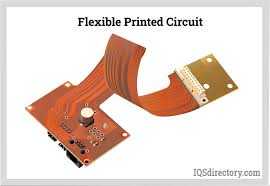
Can Flexible PCBs Be Multilayered?
Finally, when selecting a flexible circuit board manufacturing partner, it’s essential to ensure that the company offers a wide range of materials. This will enable you to find the perfect flexible pcb for your specific application.
The operational conditions under which a flexible PCB is used also influence its lifespan. Factors such as electrical load, frequency of use, and the presence of high-speed signals can affect how quickly the PCB materials degrade. High-current applications or environments with significant electrical noise can lead to faster wear and increased risk of failure.
Proper maintenance and handling of flexible PCBs can extend their lifespan. Avoiding exposure to extreme conditions, minimizing mechanical stress, and ensuring that the PCBs are used within their specified limits can help prevent premature failure. Regular inspections and adherence to recommended usage guidelines are essential for maintaining the reliability and longevity of flexible PCBs.
The lifespan of a flexible PCB is influenced by material quality, manufacturing processes, environmental conditions, and usage factors. While flexible PCBs are designed to be durable and versatile, they face unique challenges that can impact their longevity. By selecting high-quality materials, ensuring rigorous manufacturing standards, and managing environmental and operational stresses, it is possible to maximize the lifespan of flexible PCBs and ensure their reliable performance over time.
