
flex circuits improve electrical performance
Flex circuits, also known as flexible printed circuits (FPC), are an innovative solution in the electronics industry, offering a range of benefits that enhance electrical performance in various applications. These circuits, made from flexible substrates such as polyimide or polyester, are used to interconnect electronic components, providing both mechanical flexibility and superior electrical efficiency. Flex circuits improve electrical performance in several key ways, including reducing signal loss, optimizing power distribution, enhancing heat dissipation, and providing more precise connections, all while maintaining the reliability and durability of the system.
One of the most significant ways in which flex circuits improve electrical performance is through the reduction of signal loss and electromagnetic interference (EMI). Traditional rigid PCBs often face challenges with signal degradation, especially in high-frequency applications where the integrity of the signal is critical. Flex circuits, however, are designed with optimized trace layouts that minimize the path between components, helping to preserve the quality of signals as they travel across the board. The compact and flexible nature of flex circuits allows for shorter connections and less resistance, which leads to better signal transmission with reduced loss. This is particularly valuable in applications like telecommunications, high-speed data processing, and precision instruments where maintaining signal clarity is essential.
In addition to minimizing signal loss, flex circuit can help reduce electromagnetic interference (EMI), which can adversely affect the performance of electronic systems. EMI occurs when electronic signals from one component interfere with the signals of another, causing noise and potential malfunctions. Flex circuits are often constructed with grounding and shielding options that help block EMI. For instance, multi-layer flex circuits can integrate a layer of conductive material to shield sensitive signals from interference, while flexible materials can be designed to provide greater control over the current flow, thereby reducing the risk of cross-talk between adjacent traces. This EMI shielding not only improves the electrical performance but also ensures the system’s overall reliability, especially in environments with high electromagnetic activity.
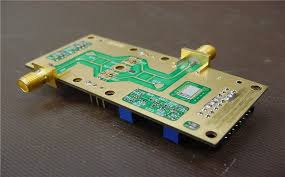
How do flex circuits improve electrical performance?
Flex circuits also contribute to better power distribution within electronic systems. In devices where multiple components require power, ensuring that power is efficiently delivered is crucial for overall system performance. Flex circuits allow for the distribution of power through wide, well-designed traces that can be routed with minimal impedance, improving the efficiency of the power supply. The flexibility of these circuits allows engineers to create custom designs that can direct power more effectively to components that need it, reducing the chances of voltage drops or power loss. This is especially important in applications such as medical devices, aerospace systems, and high-performance computing, where stable and reliable power delivery is paramount to the system’s operation.
Heat dissipation is another critical factor in electrical performance, and flex circuits excel in managing this aspect. In electronic systems, excessive heat can degrade the performance of components and lead to failure. Flex circuits are designed with materials that offer excellent thermal conductivity, helping to spread and dissipate heat generated by active components. This is particularly useful in compact systems where space constraints make traditional heat sinks or cooling solutions impractical. By enhancing heat dissipation, flex circuits ensure that components remain within their optimal operating temperatures, thereby maintaining the electrical performance and longevity of the system.
Finally, flex circuits improve electrical performance by offering more precise and efficient connections between components. In high-density electronic systems, the ability to achieve accurate and reliable interconnections is critical. The fine-pitch technology used in flex circuits allows for smaller, more densely packed traces, enabling the design of systems with higher functionality in a smaller footprint. These precise connections reduce the risk of faulty or weak electrical links, ensuring a more stable and efficient system.
In conclusion, flex circuits significantly improve electrical performance by enhancing signal integrity, reducing electromagnetic interference, optimizing power distribution, and supporting better heat management. Their ability to provide flexible, compact, and efficient solutions makes them an indispensable component in modern electronics, from consumer devices to critical applications in aerospace, automotive, and medical technology. As technology continues to advance, the role of flex circuits in improving electrical performance will only become more critical, enabling the development of smaller, more powerful, and reliable electronic systems.
