
testing vary across PCB manufacturing stages
Testing is an integral part of the PCB (Printed Circuit Board) manufacturing process, ensuring that each board meets specific quality and functionality standards before it is deployed in electronic devices. The complexity of PCB manufacturing means that testing occurs at various stages, each with distinct objectives and methodologies. Understanding how testing varies across these stages is essential for maintaining high-quality production and minimizing defects.
The first stage of testing occurs during the design phase and is referred to as design verification testing. This initial testing is crucial for identifying potential flaws in the PCB layout before physical production begins. Designers use simulation software to validate the electrical characteristics and performance of the PCB. Tools like SPICE (Simulation Program with Integrated Circuit Emphasis) allow engineers to assess the circuit behavior under various conditions, helping to pinpoint issues such as signal integrity, noise levels, and potential short circuits. By addressing these problems early in the design phase, manufacturers can significantly reduce the risk of errors later in the production process.
Once the design is verified, the next stage involves producing prototypes. Prototype testing is essential for evaluating the functionality and performance of the PCB before moving to mass production. During this stage, a limited number of boards are fabricated and assembled with actual components. Various testing methods are employed, including functional testing, which assesses whether the PCB operates as intended. In addition, electrical testing is performed to measure parameters such as voltage, current, and resistance, ensuring that all components are functioning correctly. Any issues identified during prototype testing can be addressed and corrected before scaling up production, thus preventing costly mistakes in later stages.
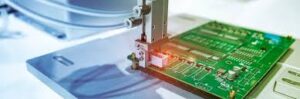
How does testing vary across PCB manufacturing stages?
During mass production, in-process testing plays a vital role in maintaining quality control. As pcb manufacturing are manufactured, continuous testing is implemented to monitor the production process and identify defects early on. This stage often involves automated optical inspection (AOI), which uses cameras and software algorithms to detect visual defects, such as misaligned components or solder issues. X-ray inspection may also be employed to examine hidden solder joints and internal connections that are not visible to the naked eye. By catching defects during the manufacturing process, manufacturers can adjust their techniques or halt production to investigate further, ensuring higher yield rates and quality assurance.
Once the PCB assembly is complete, final testing is conducted to ensure that the board meets all specifications and is ready for deployment. This stage involves comprehensive quality assurance protocols, including electrical testing and functional testing. Electrical testing checks for continuity, shorts, and opens across all connections, confirming that each circuit is intact. Functional testing evaluates the overall performance of the assembled PCB under real-world conditions, ensuring that it meets the required operational standards. This stage may also involve stress testing to assess the board’s performance under extreme conditions, such as high temperatures or varying humidity levels.
Even after the final testing, some manufacturers may conduct post-production testing, especially for high-stakes applications such as medical devices or aerospace technologies. This testing phase can include burn-in testing, where the PCB is subjected to prolonged periods of operation to identify potential early failures. Additionally, environmental testing might be performed to evaluate how well the PCB can withstand external factors, such as temperature fluctuations and humidity.
In conclusion, testing varies significantly across PCB manufacturing stages, each tailored to address specific aspects of the production process. From design verification to post-production assessments, each testing phase serves a crucial role in ensuring that the final product meets quality and performance standards. By implementing rigorous testing protocols at every stage, manufacturers can enhance the reliability of their PCBs, reduce the risk of defects, and ultimately deliver high-quality electronic devices to the market. This comprehensive approach to testing not only safeguards the manufacturer’s reputation but also builds trust with customers relying on the integrity of their products.
