
Design Changes During the PCB Assembly Process
The foundation of any circuit board is the Printed Circuit Board (PCB). Made from fiberglass, copper, and epoxy materials, PCBs provide a solid and stable base for components. They come in a variety of sizes, shapes, and layouts and are used across a wide range of electronic applications. A key consideration when selecting a PCB manufacturer is their capacity to accommodate design changes during the assembly process. This is especially important if you plan on using your finished product in a different way than planned during the design phase.
Custom PCBs can be fabricated to meet your unique requirements and help you create the perfect electronic device for your specific application. However, choosing the right PCB manufacturing partner can be challenging, since there are so many factors to consider. When evaluating a turnkey flexible circuit board assembly partner, you must look for a provider that offers flexible services, fast turnaround, and expert technicians.
A good turnkey PCB assembly provider will offer a comprehensive solution that includes PCB production, material procurement, stencil fabrication, and PCB assembly services all in one. This helps you avoid costly errors and save time by having all of these processes handled by a single partner. Some providers even offer custom sourcing strategies and component availability monitoring to ensure a reliable supply of components.
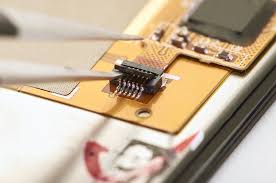
How to Accommodate Design Changes During the PCB Assembly Process
When evaluating a turnkey PCB manufacturer, it is essential to understand how the process works from start to finish. The first step is the design phase, which includes schematic capture and PCB layout. A DFM check is an essential step in this process, as it identifies issues that may cause problems during the assembly process and prevents delays in production.
During the design phase, it is also critical to choose the right components for your project. Careful scrutiny should be given to component size and package size, as well as their compatibility with your board. For example, if your project requires a high-power signal, you should select larger packages to ensure that the board can handle the voltage and current.
Another common issue that can affect the final outcome of your project is component-to-component spacing. If components are placed too close together, they can cause issues that require rework and lead to longer production times. To avoid these issues, it is important to establish minimum spacing guidelines in your CAD software for each type of component.
Similarly, it is important to spread large components evenly across the board during the layout phase. This will help ensure that the assembly contractor can achieve a uniform thermal profile during solder reflow. This is particularly important for military projects that require a certain level of reliability.
It’s also important to evaluate the turnkey PCB assembly provider’s intellectual property protection practices. This includes ensuring that your data is securely stored and that the assembly contractor follows strict standards of confidentiality and security. Finally, it is essential to find a provider that offers quick-turn services, as this will allow you to meet your production deadlines without any delays or cost overruns.
